How to Justify a Higher Price Point on Dad's Gifts Without Losing the Magic
Buying gifts for dads is inherently difficult because you are trying to wrap up a feeling—appreciation, gratitude, and love—into an object that costs money. And when the perfect gift happens to be significantly pricey, the conversation can suddenly become fraught with awkward silences and unspoken budget battles. It’s natural to feel defensive, worried that your thoughtfulness will be measured by a price tag. But remember this: giving a gift is never about the cost; it's about the connection. Understanding how to justify a higher price point on dad's gifts? requires shifting our focus from dollars and cents to emotional resonance.
Shifting Focus from Cost to Enduring Value
The biggest mistake we make when buying expensive gifts is framing the conversation around the item itself. We treat it like an auction, where the winner is determined by who spent more. To change this narrative, you must redefine "value." True value isn't measured in retail price; it’s measured in utility and experience.
Instead of thinking, "This cost $800," start thinking, "This item will solve a perennial problem he has, or it will create memories." This is where the power lies. When you discuss the gift, focus on the impact it will have on his daily life. For example, if you buy him a high-end espresso machine, don't lead with the brand name. Instead, talk about the consistent morning ritual it will enable, or how much better his coffee corner will look.
I once bought my father an exceptionally fancy set of woodworking tools. When I presented them, he was initially hesitant, thinking they were overkill. I didn’t defend the price; instead, I pulled out some of his old projects and said, "Look at these beautiful pieces you made years ago. These tools aren't just expensive; they are an upgrade that will let you replicate this finish ten times easier." Suddenly, the cost melted away, replaced by admiration for his skill. This taught me a vital lesson: the object is merely the vehicle for the compliment.

The Art of the Value Pitch: Communicating Thoughtfulness Over Dollars
How do you actually talk about an expensive gift without sounding like you’re writing a financial report? You use storytelling and shared knowledge. Never start with, "It costs..." Start with, "Because I know..."
This approach centers the conversation around your understanding of him. It makes the gift feel bespoke—as if it was designed specifically for his needs, rather than pulled from a general retail rack. When you talk this way, you are guiding him to appreciate the craftsmanship or the specific functionality that matters most to him.
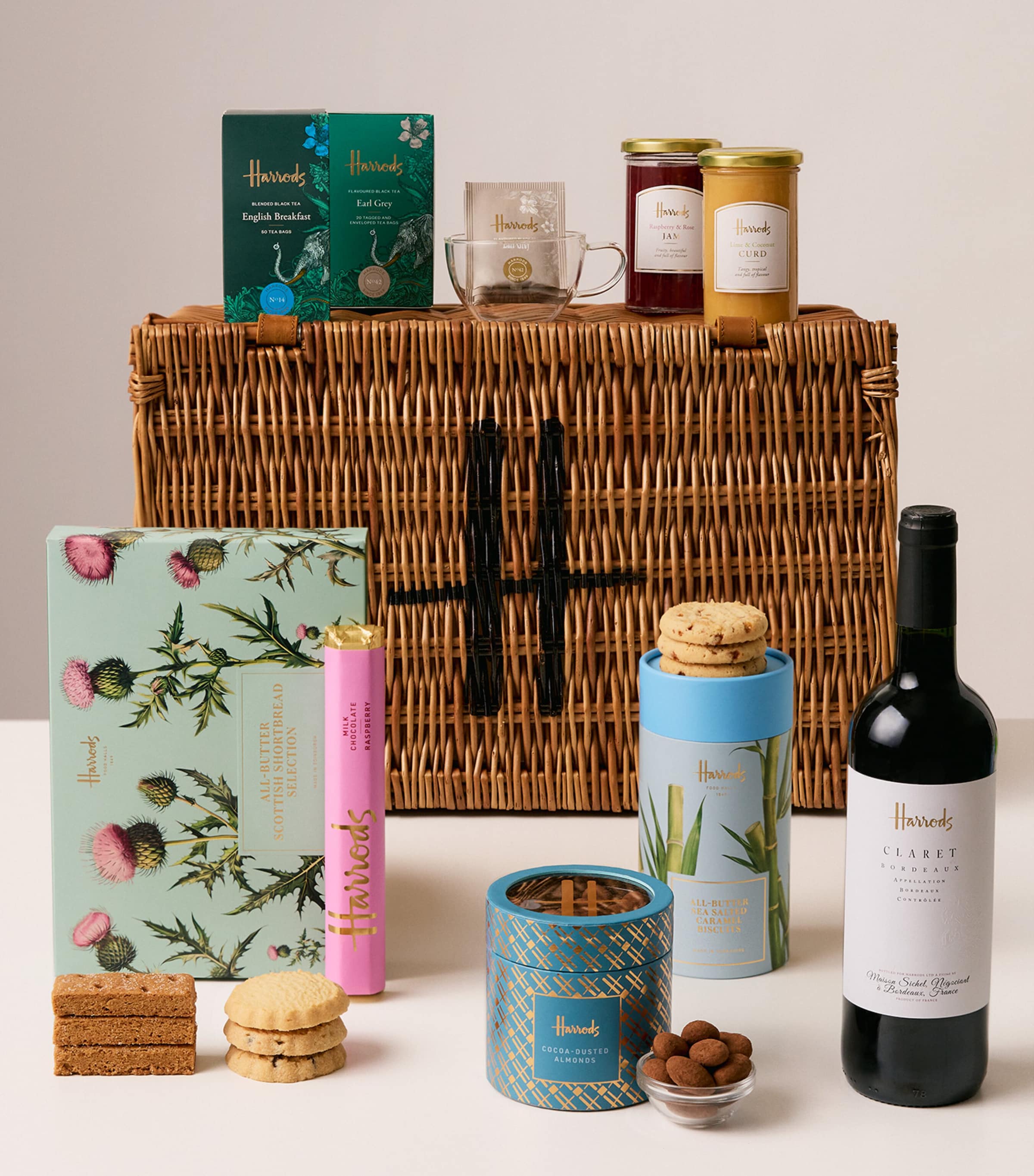
Consider asking: Are we buying him another gadget he’ll forget about next month? Or are we investing in something—a hobby, a skill, or a comfort—that will enrich his routine for years? If you can answer the latter question with confidence, Homepage you have your talking point. Remember, when addressing how to justify a higher price point on dad's gifts?, the most powerful words are "Because..." Take a look at the site here followed by specific knowledge about him.
- Focus on Craftsmanship: Talk about who made it or how long it took to make.
- Focus on Longevity: Emphasize that this is an heirloom piece, built to last for decades.
- Focus on Rarity: Highlight the unique nature of the item—that it’s not something everyone has.
Making It About Shared Time, Not Just Things
The easiest way to neutralize any potential conversation about cost is to make the purchase a joint venture centered around time together. If the gift requires him to use it with you, or if using it creates an activity he enjoys doing with his family, the monetary value becomes irrelevant.
For instance, instead of just buying him a gourmet grill (the expensive item), you buy the grill and plan an entire Saturday afternoon where all you do is cook and eat together using that specific grill. The gift then transforms from "a costly purchase" into "the setup for our perfect family day."
This strategy changes the dynamic entirely. It moves the focus from consumption to connection. If your dad loves gardening, don't just buy him rare seeds; buy the beautiful potting bench and spend an afternoon together filling it with soil and planning his garden layout. When he sees the value in the time you are dedicating to the task, the cost of the tools fades into the background.
Beyond the Gift Tag: Building a Legacy of Appreciation
Thinking about how to justify a higher price point on dad's gifts? should actually be viewed as an opportunity to deepen your understanding of him. The perfect gift-giving process is less like shopping and more like detective work—you are gathering clues about his quiet desires, his overlooked passions, or the things he complains about needing but never admits to buying for himself.
The most valuable things in life are rarely those that come with a visible price tag. They are moments: the shared laugh over a bad joke; the comfortable silence while watching a game; the ability to simply sit and talk without rushing. When you manage to weave these intangible memories into your gift-giving ritual, you aren't just buying him things; you are giving him evidence of sustained attention.
To keep this appreciation alive long after the wrapping paper is gone, consider making small, ongoing gestures that cost little but mean everything:
- Sending a handwritten note referencing an old shared memory.
- Taking over a chore he normally handles (a subtle thank-you for his effort).
- Setting aside dedicated time every week just to talk—no agenda, no phones.
By focusing on the enduring warmth of your relationship, you ensure that any gift you give, regardless of its perceived cost, lands exactly where it should: right in his heart.